India and Textile Part 1.

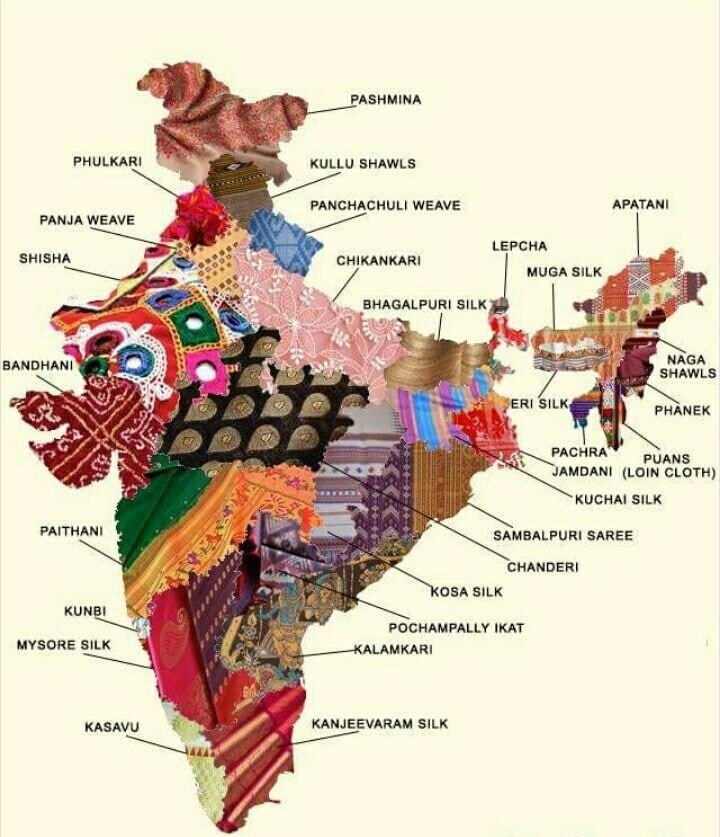
This blog will be incomplete without this picture. This is a virtual map of different fabrics from different states of India.

The Indian subcontinent, is a hoe to diverse culture, races and languesges and is renowned for the rich culture and art.

When it comes to the textiles of India, it’s a very vast topic. So for our reference, let’s divide the whole topic into 2 basic branches.

First will be the painted and printed textiles, and second will be weaved or woven textiles.

In this part, I ll be concentrating on the 1st part, that’s painted and printed textiles and that too from Gujrat and Rajasthan.
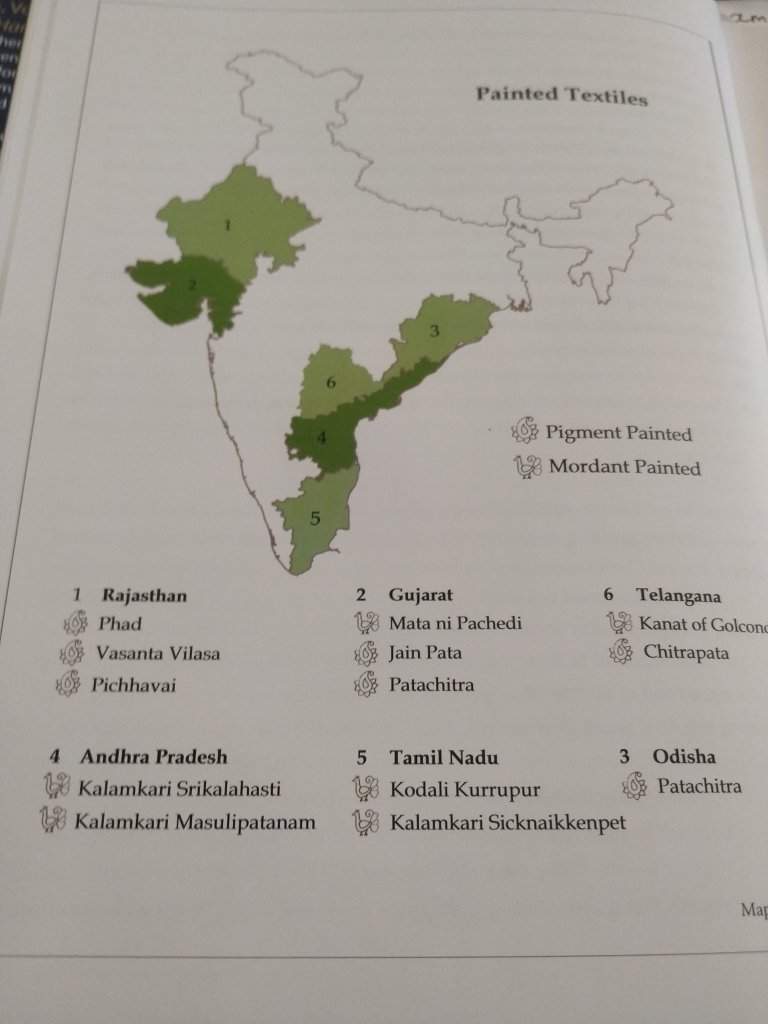
Source : Traditional Indian Handcrafted Textiles Part 1

Let’s start with Rajasthan here.

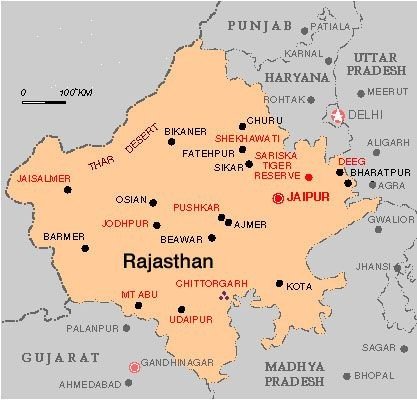
Outline of Rajasthan

Rajasthan has 3 major types of prints broadly.

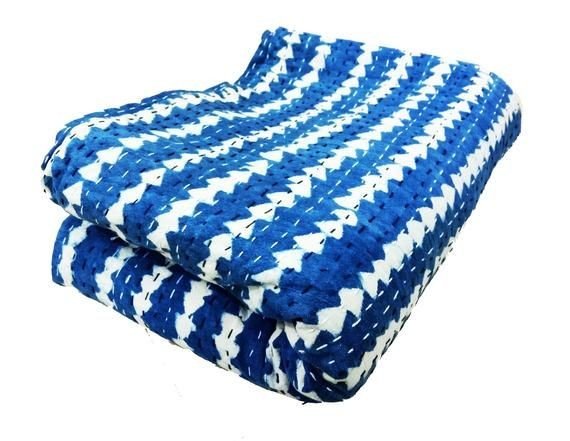
1.Bagru : This is a small village near Jaipur Rajasthan, and the people stay in bagru are around 30,000. These peaople in Bagru, are basically the textile printers from generations. These community is called Chippa (the one who prints ).

Bagru prints is done by printing dark or coloured motifs on majourly blue or dyed background. That is the speciality of Bagru prints. The colours used are natural dyes.
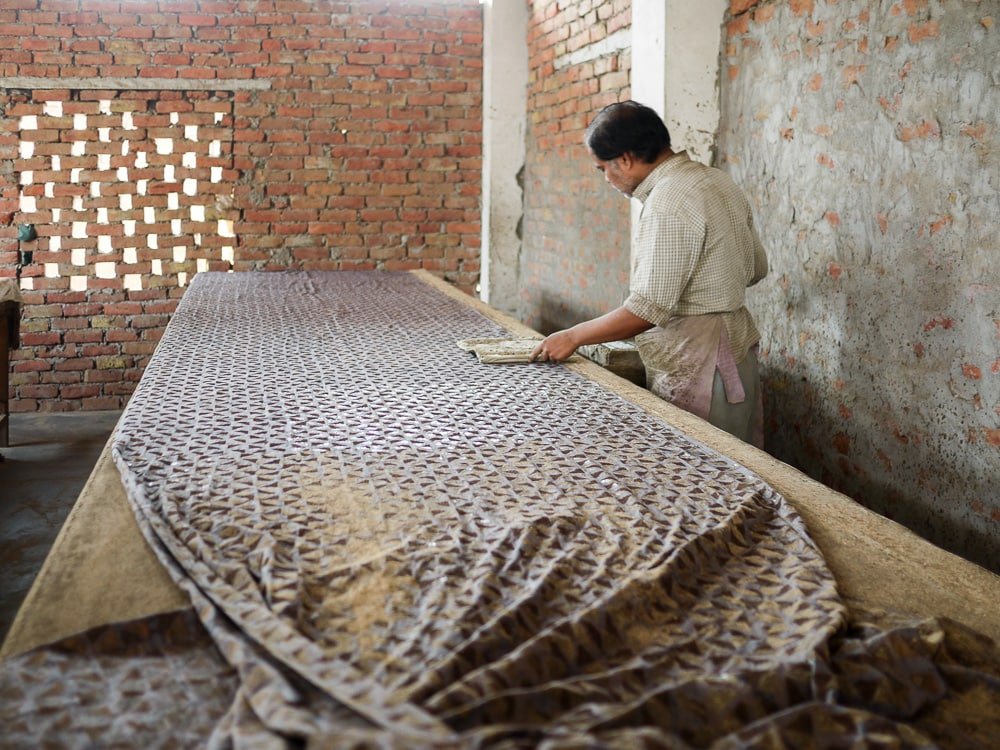
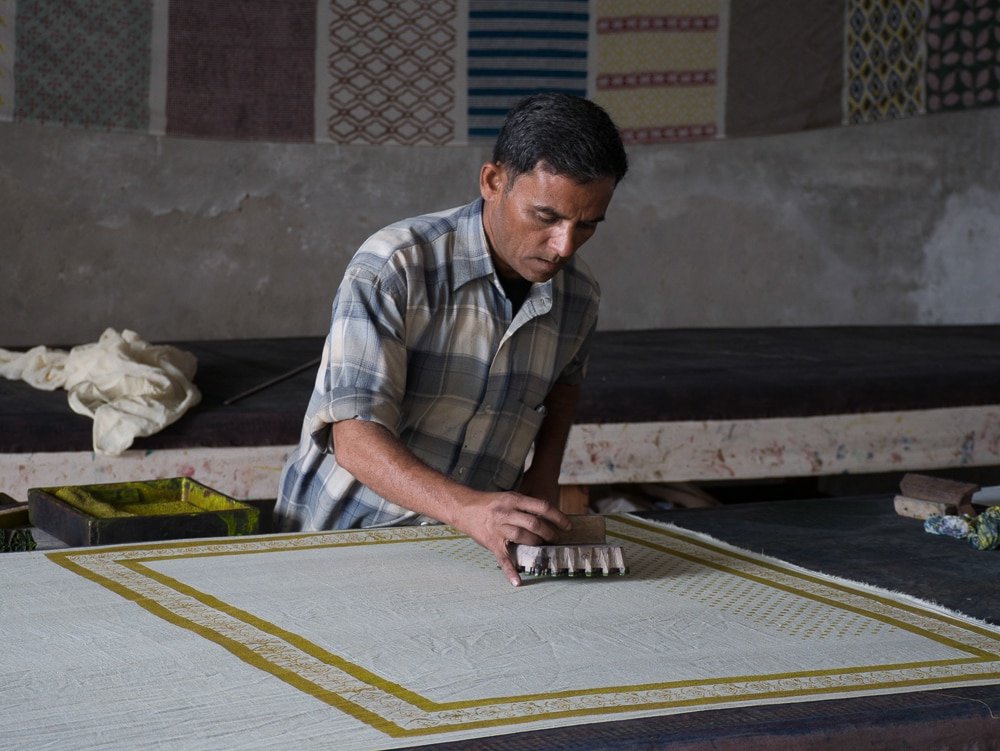
A Bagru printer

Very much similar to Sanganeri block printing, Bagru’s textile printers chose to focus on floral designs, and exclusively print using vegetable colour. Bagru work is also famed for its zigzag motifs.

2. Sanganeri: Rajasthan’s most popular hub of block and screen printing is Sanganer, famed for its sheer variety of folk patterns on white cotton. It is great for home linens and furnishing, including bed covers, table cloths etc. These motifs are made with thin black outlines and the use of red dye to colour figures and flowers.

There is also a difference in the types of motifs produced on Sanganer and Bagru prints. The traditional Bagru motifs are larger in size and have bold lines. In Sanganer motifs, finer lines and more sober colours are used

Lastly, the backgrounds for printing are different in Sanganer and Bagru prints. While Sanganer printing is typically done on an off-white or white background, a bluish or indigo background is the printing base for Bagru prints.
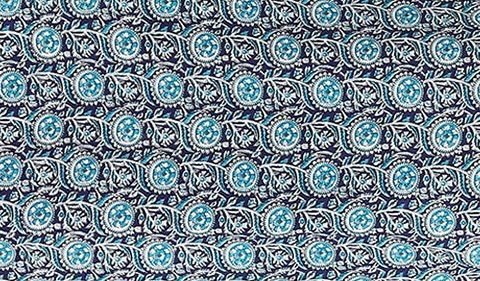
Bagru print
Sanganeri print

3. Dabu Prints : Dabu printing, a mud resist dyeing technique. Here, blocks are dipped into a mixture made with clay, lime, wheat chaff and gum, and pressed onto the fabric. The sticky mixture clings to the cloth. This is then covered with sawdust to ensure that when it is dipped in dye later on, the colour doesn’t run into the block printed design. Once the clay mixture has completely dried, the cloth is soaked in vats of colour. 
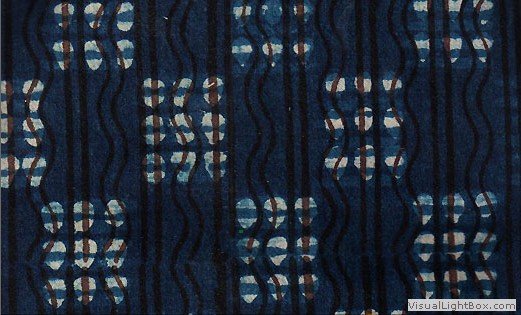
Dabu Print

In general, the textile printing in Rajasthan is going on for generations. Their rich culture and history continue to yield some amazing prints on fabric, which are natural and sustainable.

Next is Gujarat
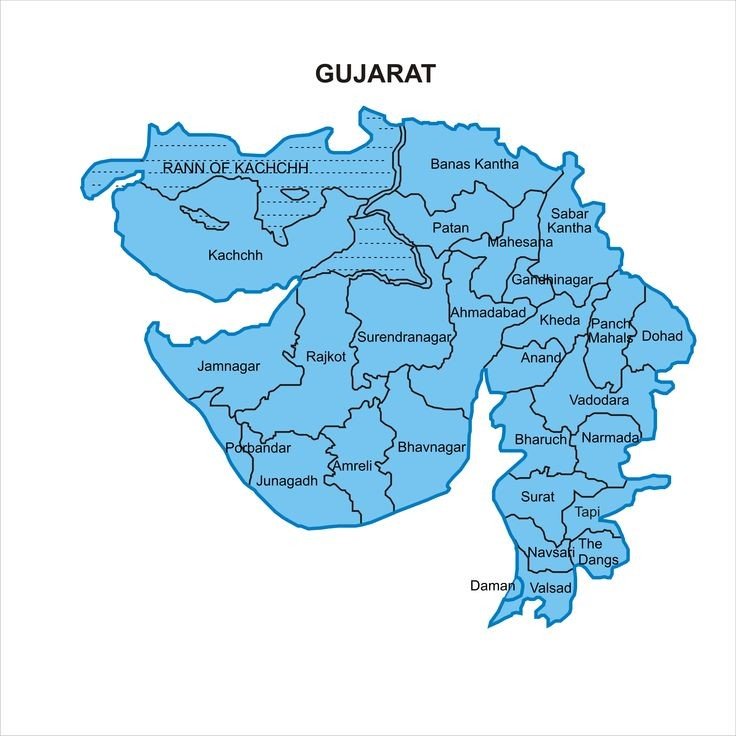
Gujrat outline

Gujarat is known as the ‘Jewel of the West’. The state’s moniker is derived from its role in history, having been known to the ancient Greeks, Persian Empire and Roman Empire as a land of trade opportunities as well as being a landmark along sea routes.

As there was always a Persian influence on sindh , and so on Gujrat, the art and craft here has huge Persian identity.

One of the ancient arts of printing, very intricate and equally beautiful. I can go on writing on Ajrakh, however we have to keep it short here, so I ll just broadly discuss on it.

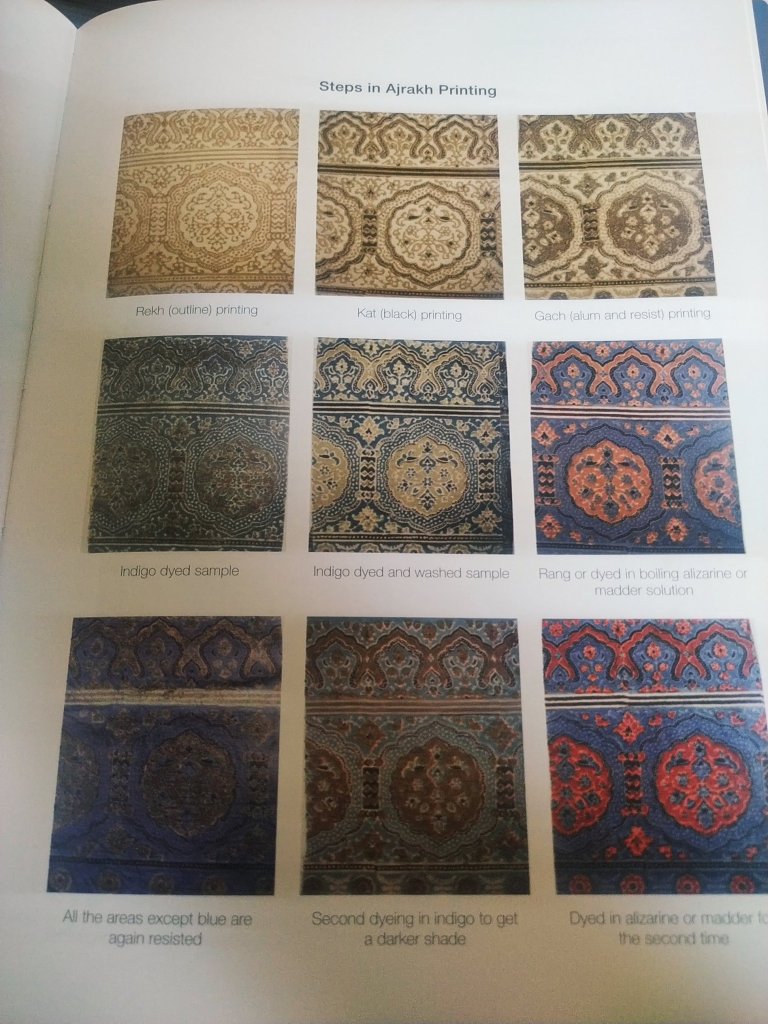
Ajrak is a block-printed textile that is resist-dyed using natural dyes. including indigo and madder. It is made by Khatris community in Kutch, Gujarat and is distinguished by its color- blue with red – and its complex geometric & floral patterns. It’s name is derived from ‘azarak’, ‘blue’ in Arabic &  Persian. Ajrak is a legacy of text.  It takes skill & patience to make Ajrak. There are between 14-16 different stages of dyeing & printing, which take 14-21 days to complete. The resulting cloth is soft against the skin and jewel-like in appearance, pleasing to touch & appealing to the eye.
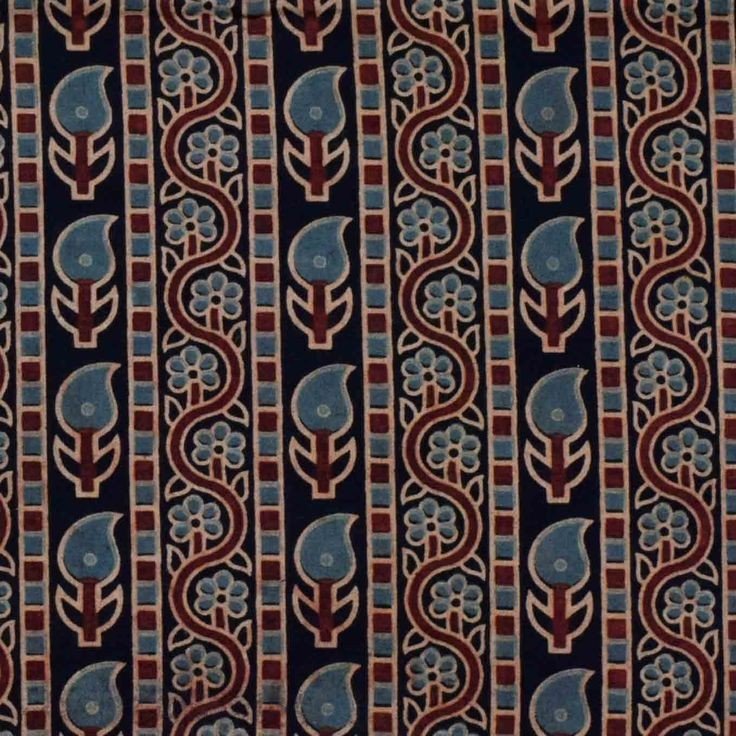
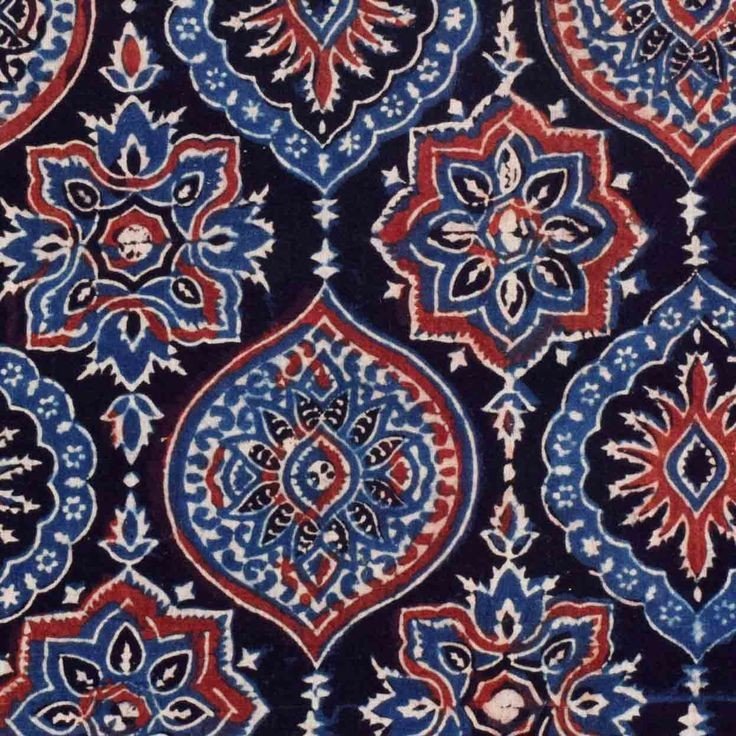
Ajrakh
Jewel like appearance
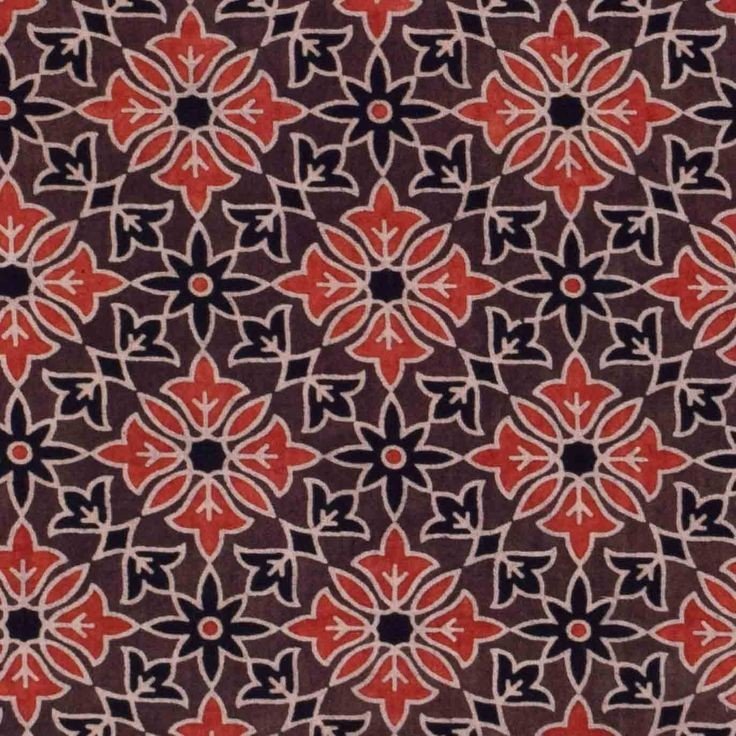
Ajrakh motifs
A breif process of ajrakh ( ref book)

Rogan printing : The word, rogan in Persian literally means ” oil based painting” .

A thick pigment is applied on the surface of the cloth using an iron or metal rod. Today it is only seen in Kutch in Nirona, Khavda and Chowbari village.

This art of rogan printibg was reffered to as chhapala and the printed fabric as chhapala kapad and it is said to be existed for more than 200 years. The castor oil is mainly used as rogan, and pigments are all minerals like, red oxide for red, white lead for white, mica for silver, orpiment for yellow, indigo for blue, and orpiment and indigo combination for green.
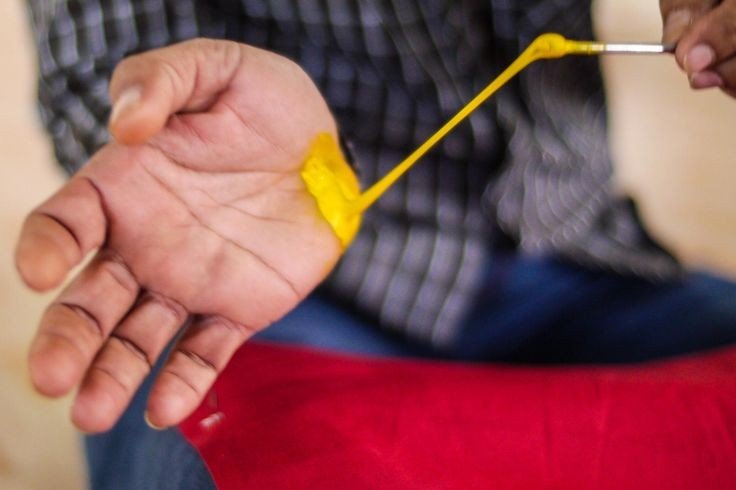
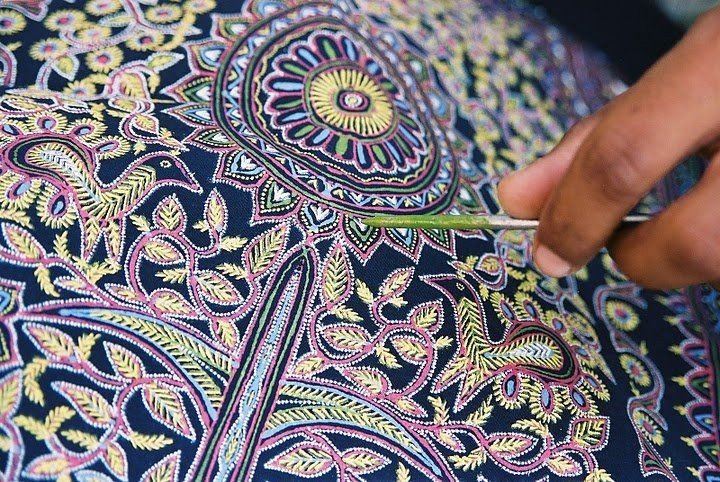
Artisan of Rogan painting
Rogan painting on Cloth

India and History of Textiles

When it comes to fashion, it has a history beyond the data and the words. Fashion or “Clothing” as I will be refering to in this perticular blog, is and was one of the necessities listed as, अन्न, वस्र, निवारा…. Thats in English, Food, Clothes and Habitat.

Let’s concentrate on वस्र..or as its said, Clothing.

India, was always on the top of the list for the whole world, when it came to culture and heritage. Our country was always on the top list of many rulers as well, because of its rich living culture. As we were ruled by Mughals for many years, Indian culture of food and clothing, has amalgamated with the intricate Mughal art. For many years, people of these 2 heritages has amalgamated their livings with each other.

However, though there were many years of ‘rulling’ over India, India has been true to its own genes or I must say, its own heritage. We were always good learners , and so we have learnt everytime we got ruled by someone. We learnt their art, their food, their culture…but still we have never given up per own !!!

There is a line in Sare jahan se accha, hindostan hamara. It says;

कुछ बात है कि हस्ती मिटती नहीं हमारी
सदियों रहा है दुश्मन दौर-ए-ज़माँ हमारा

It says, there is something in us, which makes us alive even in those many years of rulling by others!!

That something, is the Purest Souls we have since the origin of Hind !!

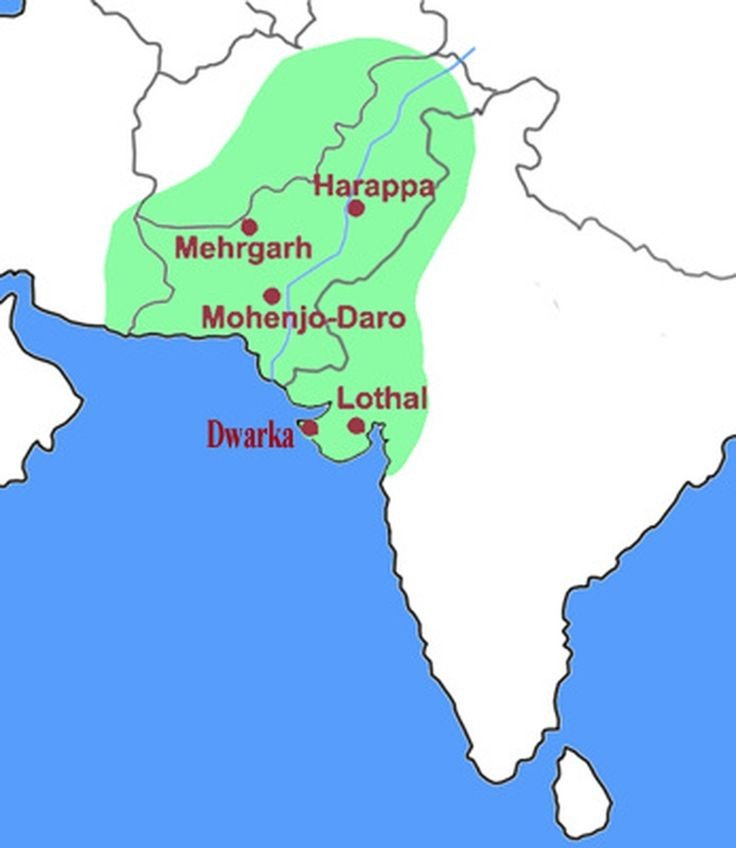
Talking about the Hind, we have to talk about the Indus Valley Civilization. This was the crux for the origin of many textiles and arts. This civilization has many arts and textile history attached with it, which we will be discussing in Textile specific to areas.


Indus Valley Civilization Map

As the history tells us, the Clothing and the textiles in India were always fascinating. There were many hidden talent in smallest of the villages.. The clothing and the clothes or the textiles made were always dependent on the geographical conditions. The art of the printing, painting or embroideries were and still is, geographical.

The patterns and designs of clothes…or what we say the Fashion of the garment is also culture related and geographically influenced.

Each state and each area in India, creates very unique patterns in terms of printing, painting embroideries and weaves.

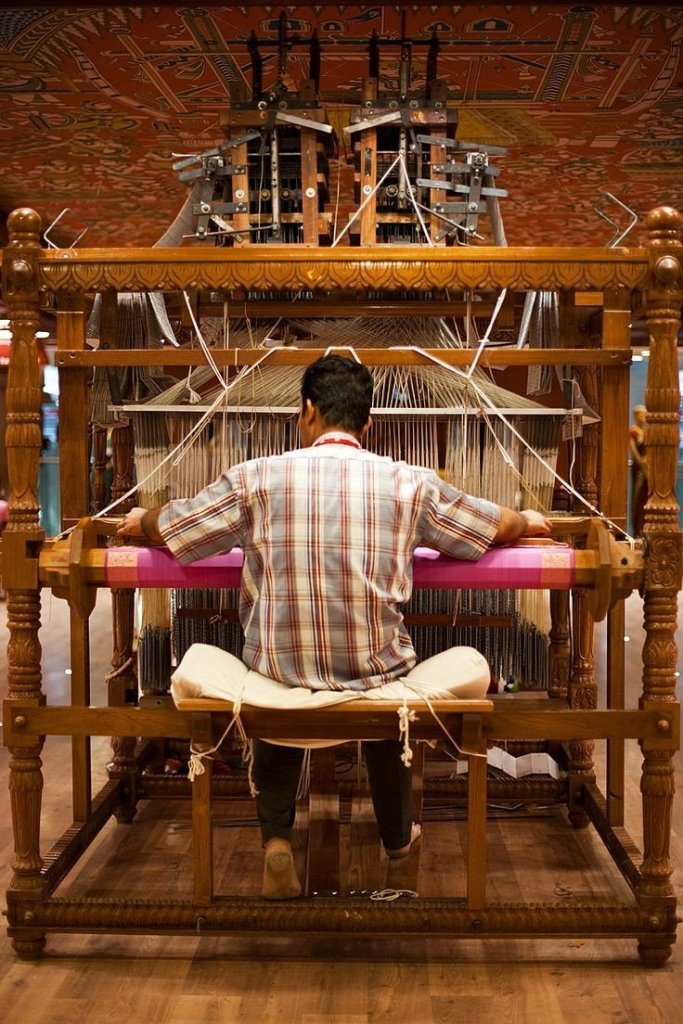
History of Textiles in India, goes back to ancient times..and has been presumed that India was one of the earliest regions in the world to have perfected the art and craft of weaving. India still has over 120 distinct weaves.

Weaves of India

Having said that, let’s go into the details of what India has in its own palms ! We will be going through just the breif and the basics of each state’s textile weave and or printing and painting techniques in upcoming session.

A Little bit about the Founders.

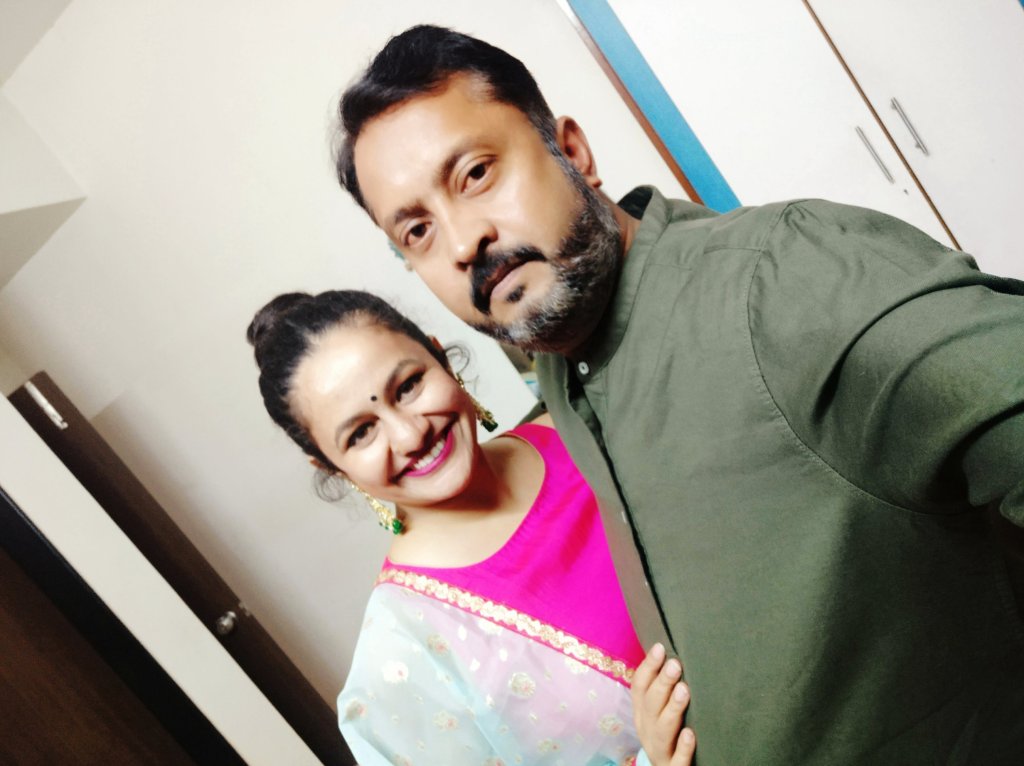
Mr. Shashank Chaitanya and Ms. Amruta joshi

Both of us are basically electrical engineers, and married with each other. Once got married, we started realising that we won’t be the one working into the corporate world, and strive to get into the business.

Though with engineering background, I ( Amruta) was always fond of textiles ( as every women loves) which I got it from my mom, who is a Gynac and has loads of beautiful silk and cotton sarees in her wardrobe. It was back in late 2012, when I started with a fabric which I got it from fabric market in Pune, and deicided to make and design a Saree for my mom. The saree was done and designed amazingly, and mom loved it. So that actually inspired me for more sarees to be designed. One day mom told me, that why are you designing souch sarees, are you going to put an Exhibition for them? And that actually light the bulb (💡) in my head

Now came in the picture, Shashank, who was not at all related with this whole designing thing. And suddenly I told him that lets go for an exhibition and see what others have to say about it. Somehow, he also agreed. He made real special efforts for the exhibition, from sourcing the fabric to sourcing the tailors ( as till that day, we were not having our own workshop..and not having a single tailor with us) and made sure that the first batch of 25 sarees is ready before the exhibition date.

The first exhibition was held in May 2013, at our own parking. And few of the relatives and friends were invited . Somehow the responce was great..But that actually kept us thinking that whether the response is good because they are our people and wanted to encourage?!

Till that time, we wanted to check how others are going to react with our designs and so shashank decided to held an exhibition at a commercial place. He started looking for a good place at different popular areas, where we can get the ” Walkin” clients. He found a place which was at FC road…The FC Road actually.

It was opposite to Hotel Vaishali and exactly on the road. The discussions were made with the owner of that art gallery, and shashank decided and booked the first commercial exhibition of the sarees designed by us.

It was October 2013, and was Dussehra when the 3 consecutive days the exhibition was held. And I was I guess , 7 months pregnant❤️

For those 3 days, me and shashank really worked hard, to design and make 50 sarees and 50 dress sets. The day arrived, and those 3 days really passed away as if it was magic made by Harry potter…my whole family and friends supported us for the whole 3 days. The exhibition was amazingly successful with nothing left behind (everything was sold-out) and people loved our designs.

That sparkled✨ the Idea of starting a label of designs ❤️

Both of us discussed with the families, and our core friends..who supported the idea…and we were very excited to start the own clothing line.

Now the whole system was to be set…from the tailors to workshop, the machines and everything. Shashank has a huge role in selecting and searching the best possible tailors and artisans for the brand. We started our workshop in June2014, with simply 2 machines and one master and a tailor. Then we did 2 more exhibitions, but was not as good as the one done at FC road.

Shashank was now thinking of having a shop where we can display the designs as the retail shop. We went on hunting for the shop, and to our surprise, we got a shop which was exactly where we did our first commercial exhibition. It was on FC road, but it was a littel inside…still we decided to start with that. On next Dussehra, that is 3rd Oct 2014 , we started with our first shop on FC road.

 So this was a little bit of our journey. It has many folds and many ups and downs…however every second was and is worth it!! Me and shashank are sti learning so many things, and we are loving every bit of it !!

 We will be connected and I will be sharing you with the story of our design journey and to the brand journey in upcoming sessions. 

Till then, be safe..be at home…( As it is 18th day of lockdown in India due to corona virus)

Design a site like this with WordPress.com
Get started