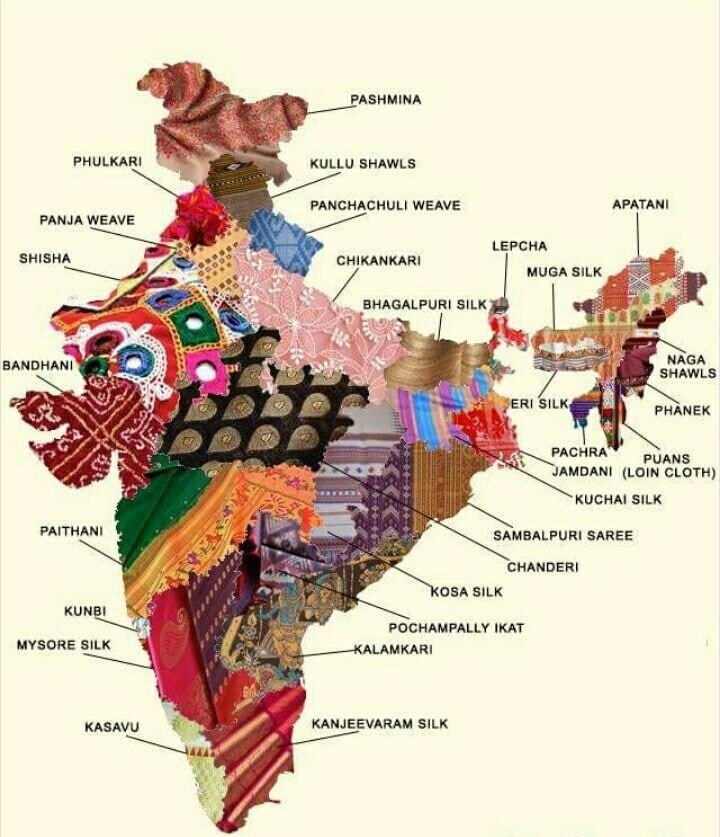
This blog will be incomplete without this picture. This is a virtual map of different fabrics from different states of India.
The Indian subcontinent, is a hoe to diverse culture, races and languesges and is renowned for the rich culture and art.
When it comes to the textiles of India, it’s a very vast topic. So for our reference, let’s divide the whole topic into 2 basic branches.
First will be the painted and printed textiles, and second will be weaved or woven textiles.
In this part, I ll be concentrating on the 1st part, that’s painted and printed textiles and that too from Gujrat and Rajasthan.
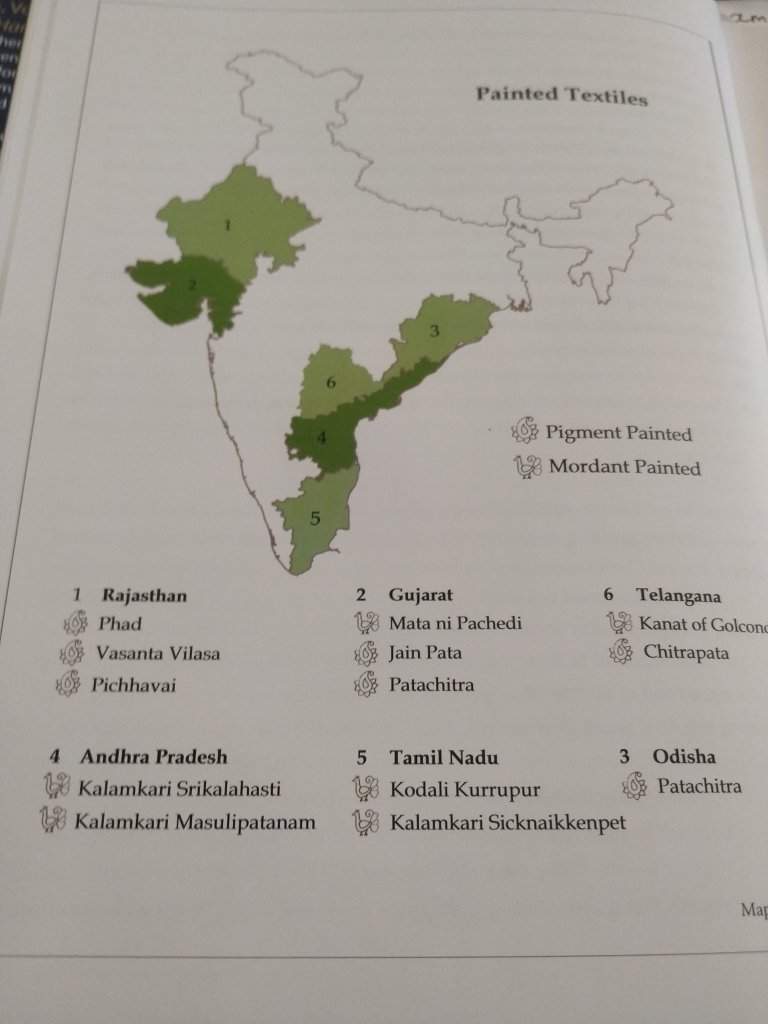
Let’s start with Rajasthan here.
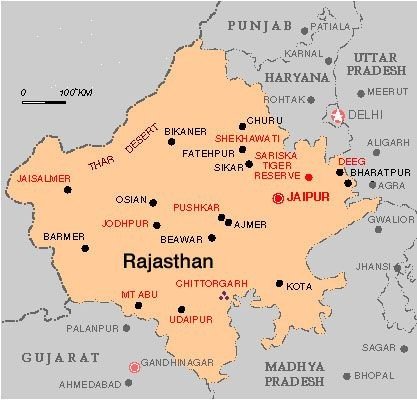
Rajasthan has 3 major types of prints broadly.
1.Bagru : This is a small village near Jaipur Rajasthan, and the people stay in bagru are around 30,000. These peaople in Bagru, are basically the textile printers from generations. These community is called Chippa (the one who prints ).
Bagru prints is done by printing dark or coloured motifs on majourly blue or dyed background. That is the speciality of Bagru prints. The colours used are natural dyes.
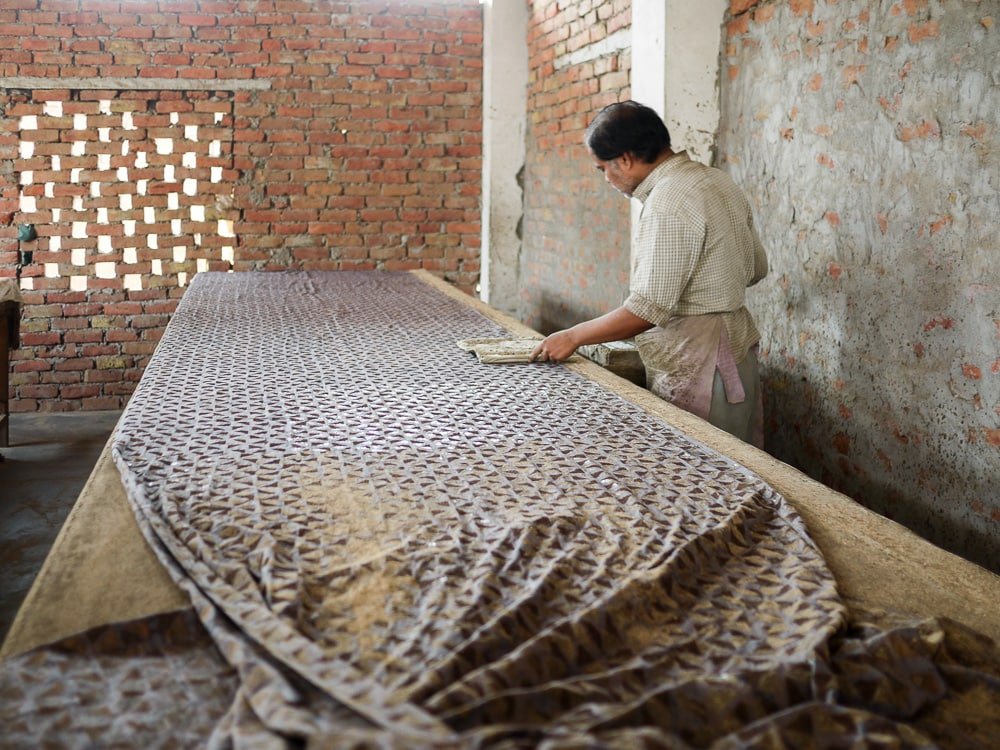
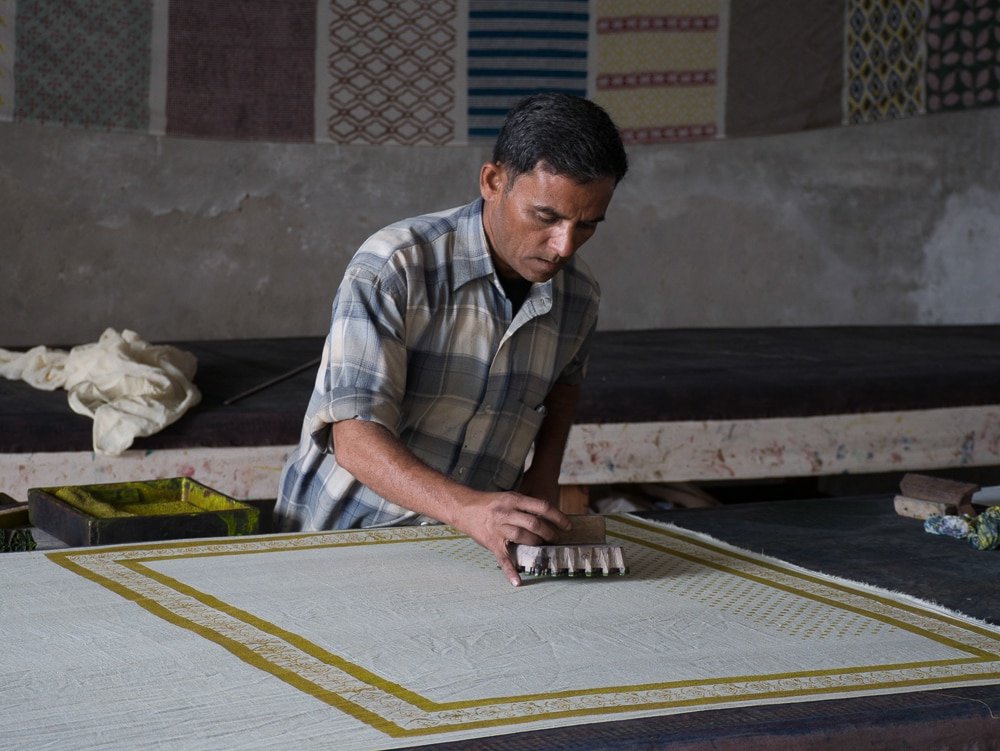
Very much similar to Sanganeri block printing, Bagru’s textile printers chose to focus on floral designs, and exclusively print using vegetable colour. Bagru work is also famed for its zigzag motifs.
2. Sanganeri: Rajasthan’s most popular hub of block and screen printing is Sanganer, famed for its sheer variety of folk patterns on white cotton. It is great for home linens and furnishing, including bed covers, table cloths etc. These motifs are made with thin black outlines and the use of red dye to colour figures and flowers.
There is also a difference in the types of motifs produced on Sanganer and Bagru prints. The traditional Bagru motifs are larger in size and have bold lines. In Sanganer motifs, finer lines and more sober colours are used
Lastly, the backgrounds for printing are different in Sanganer and Bagru prints. While Sanganer printing is typically done on an off-white or white background, a bluish or indigo background is the printing base for Bagru prints.
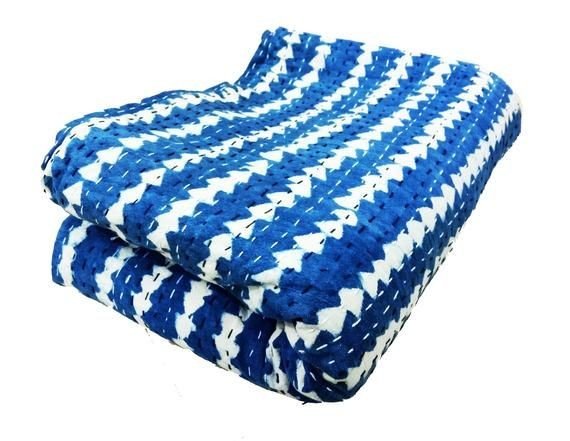
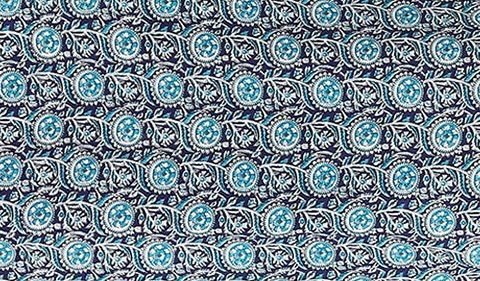
3. Dabu Prints : Dabu printing, a mud resist dyeing technique. Here, blocks are dipped into a mixture made with clay, lime, wheat chaff and gum, and pressed onto the fabric. The sticky mixture clings to the cloth. This is then covered with sawdust to ensure that when it is dipped in dye later on, the colour doesn’t run into the block printed design. Once the clay mixture has completely dried, the cloth is soaked in vats of colour.
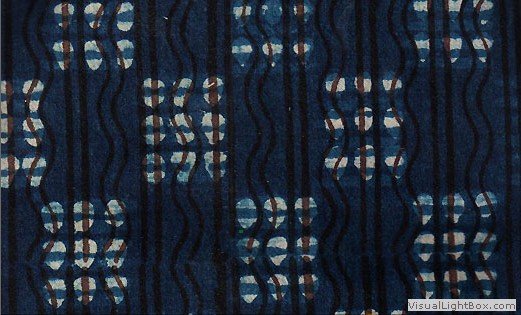
In general, the textile printing in Rajasthan is going on for generations. Their rich culture and history continue to yield some amazing prints on fabric, which are natural and sustainable.
Next is Gujarat
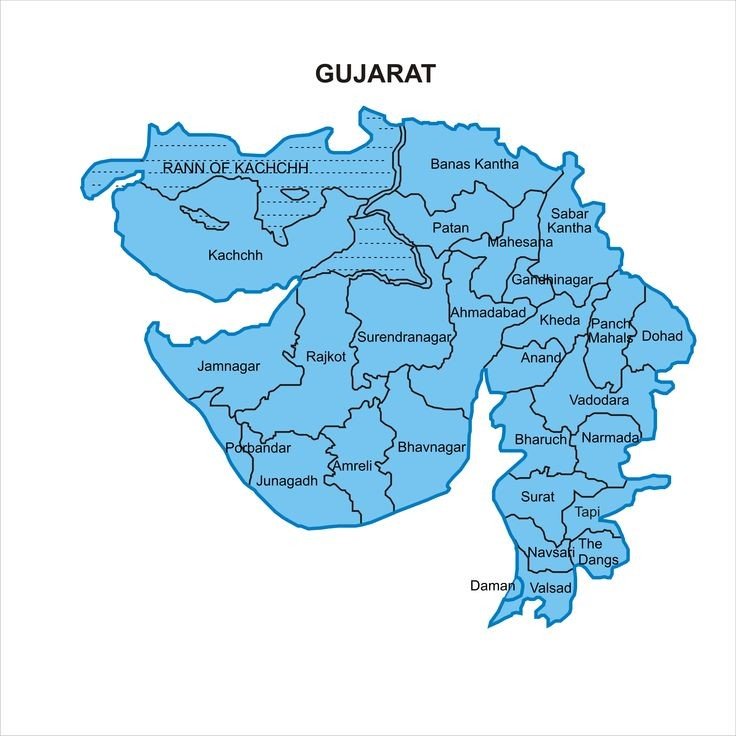
Gujarat is known as the ‘Jewel of the West’. The state’s moniker is derived from its role in history, having been known to the ancient Greeks, Persian Empire and Roman Empire as a land of trade opportunities as well as being a landmark along sea routes.
As there was always a Persian influence on sindh , and so on Gujrat, the art and craft here has huge Persian identity.
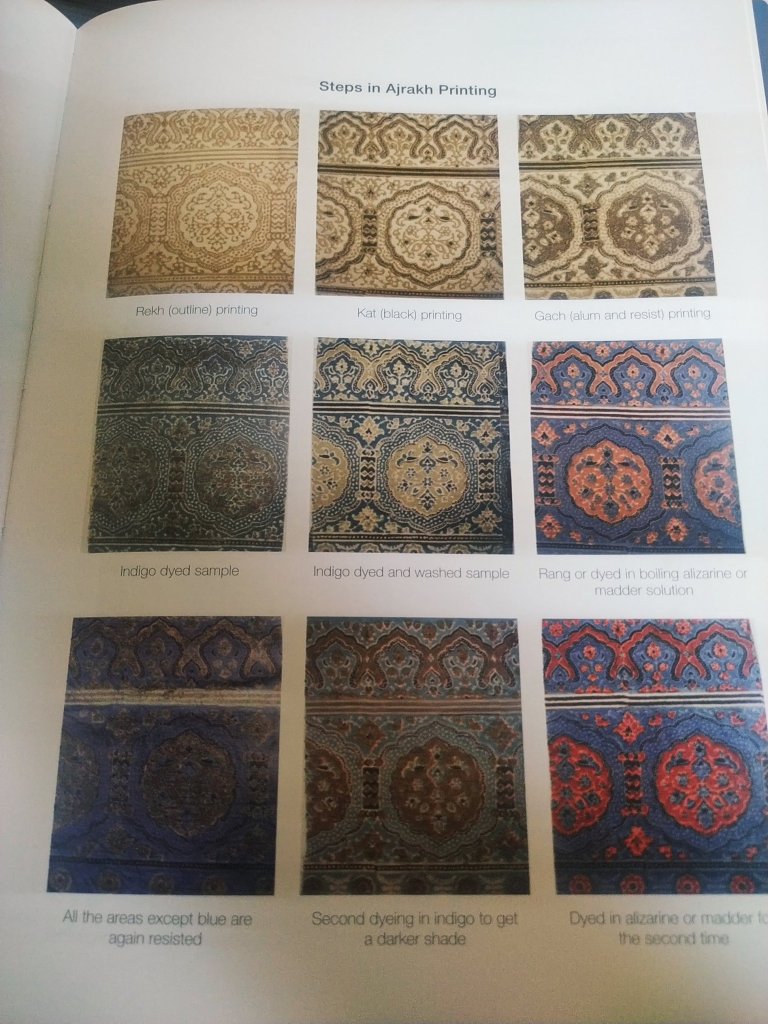
One of the ancient arts of printing, very intricate and equally beautiful. I can go on writing on Ajrakh, however we have to keep it short here, so I ll just broadly discuss on it.
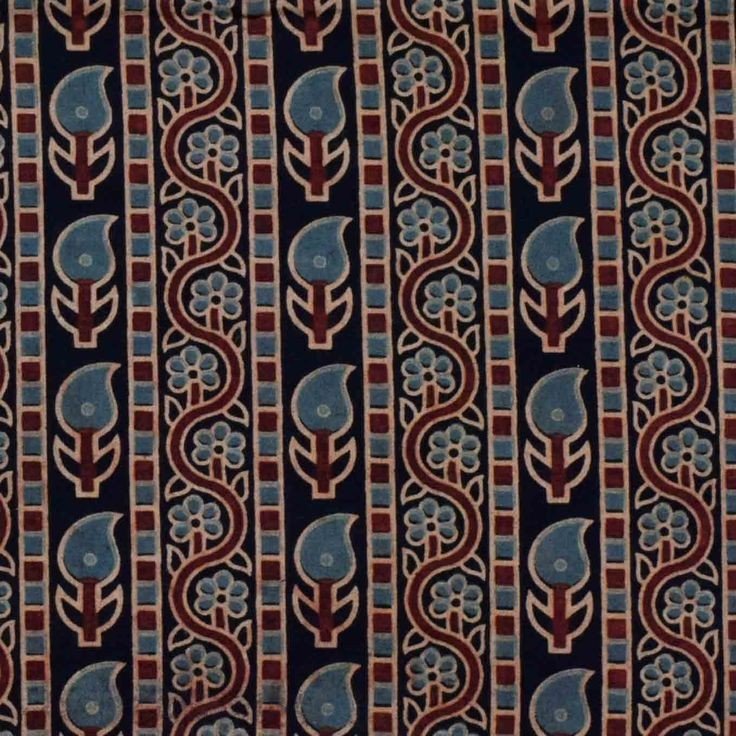
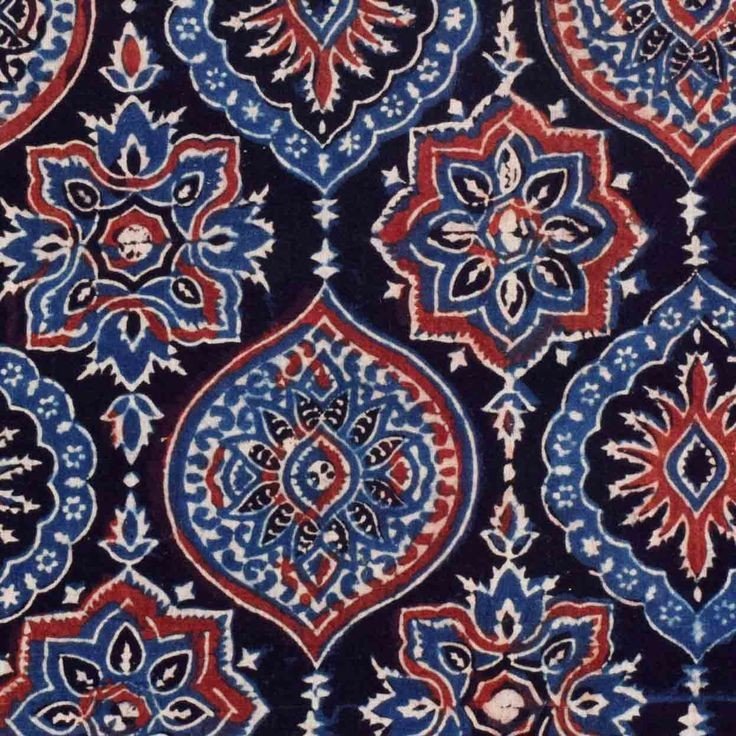
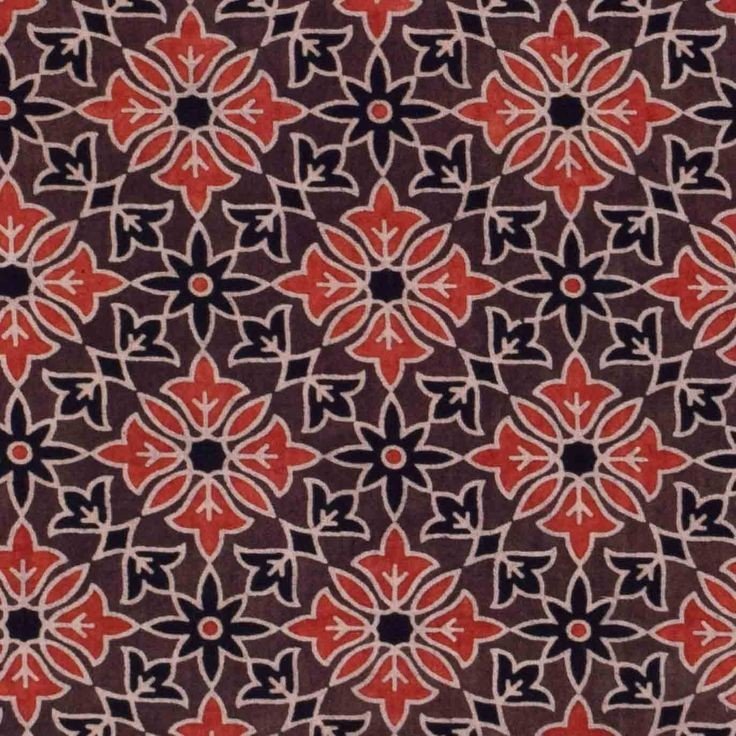
Ajrak is a block-printed textile that is resist-dyed using natural dyes. including indigo and madder. It is made by Khatris community in Kutch, Gujarat and is distinguished by its color- blue with red – and its complex geometric & floral patterns. It’s name is derived from ‘azarak’, ‘blue’ in Arabic & Persian. Ajrak is a legacy of text. It takes skill & patience to make Ajrak. There are between 14-16 different stages of dyeing & printing, which take 14-21 days to complete. The resulting cloth is soft against the skin and jewel-like in appearance, pleasing to touch & appealing to the eye.
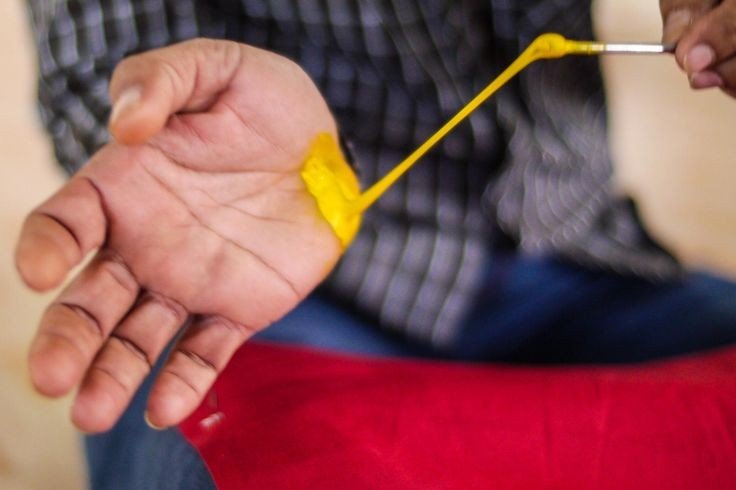
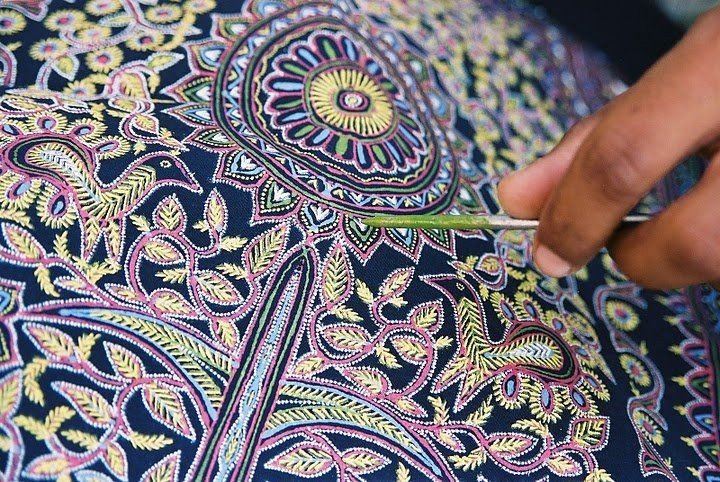
Rogan printing : The word, rogan in Persian literally means ” oil based painting” .
A thick pigment is applied on the surface of the cloth using an iron or metal rod. Today it is only seen in Kutch in Nirona, Khavda and Chowbari village.
This art of rogan printibg was reffered to as chhapala and the printed fabric as chhapala kapad and it is said to be existed for more than 200 years. The castor oil is mainly used as rogan, and pigments are all minerals like, red oxide for red, white lead for white, mica for silver, orpiment for yellow, indigo for blue, and orpiment and indigo combination for green.
 Kapaas Sustain